A new online friend offers to teach you cryptocurrency trading. The conversations feel personal, the investment dashboard looks convincing, and a small withdrawal arrives. Those details can be part of a relationship investment scam rather than evidence that your money is being invested.
This pattern is sometimes called a “pig butchering” scam. The useful thing to understand is the sequence: build trust, introduce an investment, encourage larger payments, then demand more money when the person tries to leave. It can involve friendship, romance or a supposed professional mentor.
How the relationship becomes a financial trap
Contact may begin on a dating service, social network, messaging app or through an apparent wrong-number message. Over time, the person learns about your interests and circumstances. Investment talk may arrive only after regular conversation has made the account feel familiar.
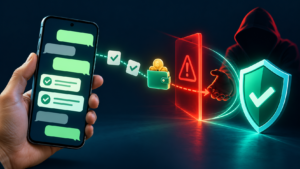
The proposed opportunity often depends on a particular website, app or contact. You may be coached to buy cryptocurrency through a real exchange and then send it elsewhere. The exchange can be legitimate while the destination platform is fraudulent. A genuine receipt for buying crypto does not validate the next transfer.
The displayed balance may simply be a number controlled by the operator. Screenshots, testimonials and a helpful support chat do not establish that assets exist or can be withdrawn. The FBI’s IC3 investment-fraud guidance specifically warns that scammers may permit small withdrawals to build confidence.
Warning signs that deserve a pause
Pay attention when someone combines affection or friendship with financial instructions, claims special access to profits, discourages independent advice, or asks you to keep the arrangement secret. Guaranteed returns, pressure to borrow money, and instructions to mislead your bank or exchange are especially serious signals.
A demand for a new deposit to release your balance is another warning. It may be described as tax, insurance, verification or an account upgrade. Do not send more money because the dashboard shows a large profit. A fee demanded by an unfamiliar platform is not proof that a legitimate tax obligation exists.
Moving a conversation to a private messenger is not by itself proof of fraud. Assess the financial request, the operator and the pressure together. Neither a video call nor a long history of friendly messages establishes investment credentials.
Check independently before sending money
Find the provider’s legal identity and relevant regulator using sources you choose yourself. Where registration is required, compare the actual website and contact details with the regulator’s record; fraudsters can borrow a real firm’s name. Registration, where applicable, still does not guarantee safety or returns.
Discuss the offer with a trusted person who has no involvement in it. Write down where the money will go, who controls withdrawals, and what evidence exists outside the promoter’s messages. If the answers depend entirely on the person introducing the opportunity, do not proceed.
Do not use a small deposit or withdrawal as a safety test. Do not share account passwords, one-time codes, recovery phrases or remote access. A hardware wallet cannot protect you when you voluntarily approve a transfer to a fraudster.
If you have already paid
Stop further payments and contact the bank, payment service or exchange promptly through its official channels. Explain the suspected fraud and ask what actions are possible. Cryptocurrency transfers are generally difficult to reverse; reporting does not guarantee recovery.
Preserve chats, account names, website addresses, receipts, transaction hashes, destination wallet addresses, dates and amounts before blocking the account. Keep copies private for your provider and investigators. Never include your recovery phrase or private key in a report.
If you shared credentials or installed software at the person’s request, secure the affected accounts from a trusted device and follow the provider’s compromise guidance. A payment to a scammer and a compromised wallet are different problems. Avoid hurried transfers or unfamiliar recovery tools that could create another loss.
Report to the relevant police or cybercrime service for your location. In the United States, IC3 accepts internet-crime complaints and the FTC accepts fraud reports. People elsewhere should use their own official reporting services. Beware of follow-up contacts promising guaranteed recovery for an upfront fee.
Helping someone who is caught in the scam
Stay calm and focus on specific evidence: blocked withdrawals, requests for extra deposits, and contact details that do not match an independently verified firm. Blame can make someone less willing to discuss what happened. Offer to help save records and contact their provider without taking over their accounts.
If threats or blackmail follow, keep the evidence and seek local assistance. Your immediate priorities are stopping additional loss, securing access and getting support. The person who deceived you is responsible for the fraud.
Sources and further reading
FTC: Refund and recovery scams
Related guides: Other cryptocurrency scam patterns · Online safety and account protection.
Written and prepared by Kshitij Gupta.